







Search Results for: hot pot milk tea

The milk tea world has come up with another bizarre new product: snail rice noodles, hot pot, and raw-pickled hairy crab are all being turned into tea drinks—where is the bottom line?
The innovations in the new-style tea beverage industry lately seem to be getting more and more baffling. From goji berry milk tea that lets you enjoy both health and happiness, to completely unrelated concoctions like snail rice noodle milk tea and Chongqing hot pot milk tea, to even more off-putting ones like roast duck milk tea, Lao Gan Ma milk tea, fish mint and cilantro lemon tea, and even raw-marinated hairy crab milk tea... These drinks not only feature bizarre ingredients, but some also let you choose the broth base, toppings, and spice level, as if a whole dish has been packed into a cup. Faced with these wildly imaginative combinations, we can't help but ask: Is the bottom line for beverage innovation really just that you'll survive after drinking it? Isn't it nice to just enjoy a normal milk tea with toppings? [more…]

HEYTEA City-Exclusive Food and Tea Crossover Roundup: Localized Innovation from Coconut Chicken Hot Pot to Sichuan Spicy Fairy Dew
In recent years, Heytea has continuously pushed the boundaries of tea drinks, from cross-brand collaborations to incorporating each city's signature foods into beverages and baked goods, launching a series of unexpectedly creative limited-edition products. Shenzhen's coconut chicken hot pot, Guangzhou's rice roll cake, Changsha's mini clay pot bubble rice wine, Chengdu's Sichuan spicy fairy dew… each one precisely captures the taste memories of local people. These products are not only wildly imaginative but also build emotional resonance by awakening shared city memories. This article will comprehensively review the limited-edition items Heytea has launched in various cities and explore the communication logic and secrets behind its "neglecting its proper business." [more…]

From Clay Pots and Purple Clay to Double Boiling: How Chinese-Style Coffee Forges Its Own Path by Drawing on Local Vessels and Culinary Wisdom
While the milk tea world perfectly combines ritual and local ingredients with jar-brewed milk tea, the coffee world's "new Chinese style" frequently sparks controversy due to its bizarre pairings. In fact, China's rich cooking techniques and tea-brewing methods can absolutely serve as sources of inspiration for the localization of coffee—double-boiled coffee, purple clay pot steamed coffee, and Macau clay pot coffee. These attempts all use principles such as low-temperature slow extraction and even heating to give coffee a smoother, richer flavor. This article reviews the practices of these Chinese-style coffee schools, explores how innovation can stay rooted in the soul of coffee, and offers new ideas for the local expression of specialty coffee. [more…]
How to Choose Specialty Coffee Beans for a Moka Pot by Roast Level
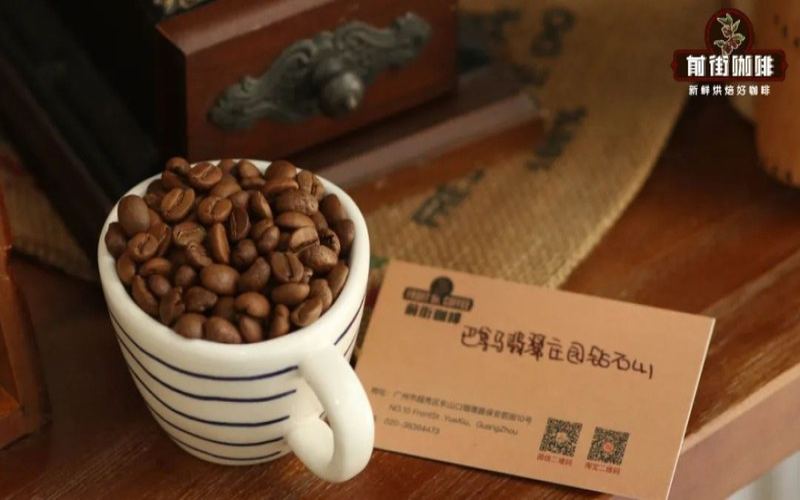
When brewing coffee with a moka pot, the roast level of the beans directly affects the acidity, sweetness, bitterness, and body in the cup. Light roasts tend to bring bright aromas, medium roasts are usually more balanced, and dark roasts have a richer feel reminiscent of cocoa, nuts, and caramel. If you want a powerful black coffee quickly in the morning, or plan to add milk [more…]
The Ten Golden Rules of Western Black Tea Brewing: From Leaf Selection to Milk-Pouring Order—What Does Orwell Say? A Full Analysis of Black Tea Astringency and Milk Addition
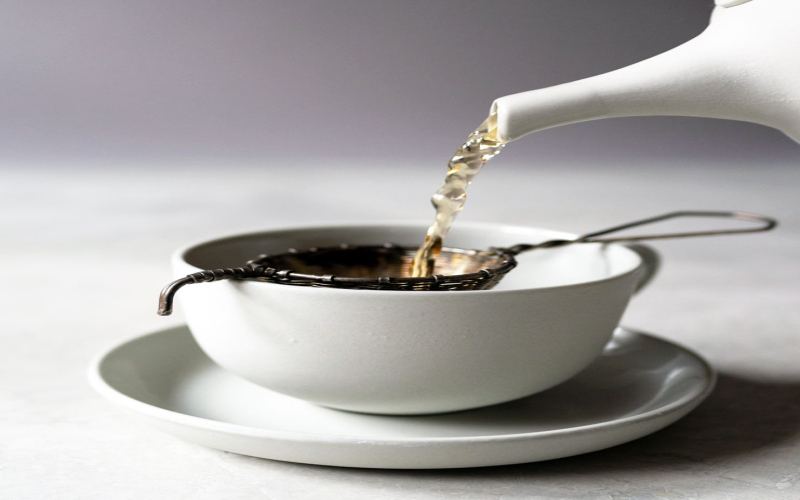
When brewing a cup of black tea, which type of tea leaves should you actually use? Should the teapot be preheated? Should the milk go in first or the tea? These questions may seem trivial, yet they have puzzled Western tea drinkers for decades. George Orwell once proposed his famous eleven golden rules for brewing tea, offering his own answers one by one, from the origin of the tea leaves to the brewing method. This article will use these ten rules as a thread, combined with the differences between Eastern and Western tea-drinking habits, to re-examine every detail of brewing black tea—including common questions such as whether black tea is better the more astringent it is and whether milk can be added—while weaving in different voices from Chinese tea enthusiasts. Whether you are a loyal fan of Earl Grey or a daily drinker of English Breakfast tea, you will find brewing ideas worth considering. [more…]

Selecting Single-Origin Beans for a Moka Pot by Roast Level
Coffee brewed in a moka pot is strong and aromatic, with a pronounced weight on the palate. It works well as a small cup of black coffee and also pairs nicely with hot milk. When single-origin beans are used in this kind of brewer, the regional character is still there—it's just that the acidity and aroma get wrapped in a concentrated feel. When choosing beans, starting with the roast level is more reliable than looking only at the origin name. [more…]
Behind the Hot Sales of HEYTEA's Triple Thick Matcha: Employees Call the Dense Matcha Mochi the Most Grueling Topping
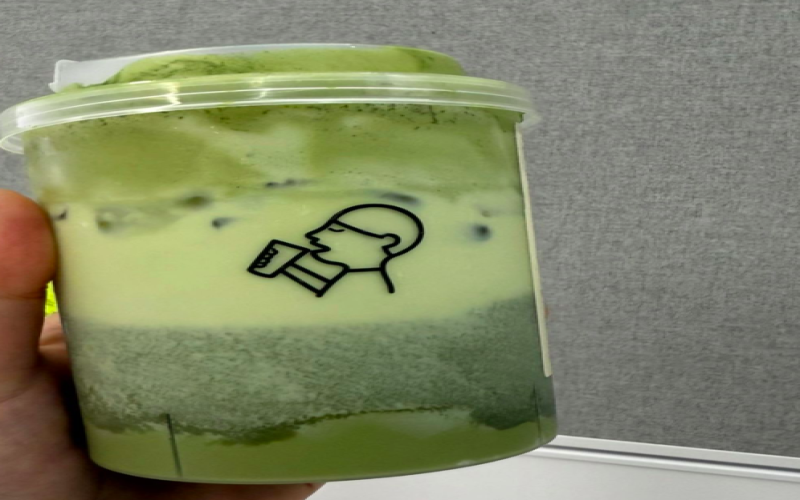
Heytea's "Triple Thick Matcha" has been jokingly called a "matcha family bucket" for combining thick matcha cheese milk cap, matcha jelly, and thick matcha glutinous rice, drawing a large crowd of matcha lovers eager to try it. However, this hot-selling drink has become a nightmare for employees at the store level. The thick matcha glutinous rice looks like it only requires stirring matcha powder, glutinous rice flour, milk, and condensed milk into a sticky paste, but in reality it is extremely arm-tiring to make, and if you are not careful it can burn at the bottom and smoke, ruining the entire pot of topping. During peak sales, employees stir until they can no longer lift their arms, and some even hope the brand will discontinue it. At the same time, some consumers are not buying it either, complaining that the glutinous rice fills the stomach and has a gluey texture. This article examines both the employee and customer sides to break down why this drink—"hard for staff to cook, hard for customers to enjoy"—remains so controversial. [more…]

A Little Tea's "Fentiao Naiwu" Sparks Heated Discussion: Tapioca Starch Noodles in Milk Tea, a New Experience of Slurping Noodles and Sipping Milk Tea
The pace of innovation in the new-style tea beverage industry is dizzying, with new products such as light milk tea, fruit tea, flower tea, and vegetable tea emerging one after another. Recently, the veteran tea beverage brand Yidiandian launched a new product called "Fentiao Naiwu," which adds the distinctive topping fentiao (starch noodles) to an oolong milk tea base, priced at 16 yuan for a large cup, quickly sparking heated discussion among netizens. The official promotional copy bluntly says "sip milk tea while slurping noodles," and the poster even shows fentiao being picked up with chopsticks, making people exclaim that milk tea has evolved beyond recognition. This article will walk you through the features of this new product, consumer feedback, and market controversy, while Front Street Coffee also interprets for you the industry logic behind this cross-border attempt. [more…]

Choosing Beans for a Moka Pot by Roast Level: How to Drink from Light to Dark Roasts
Coffee brewed in a moka pot usually has concentrated aroma and a full body; it can be drunk straight or diluted with water or milk to make an everyday coffee. The roast level of the beans affects the direction of the aroma, the sweet-and-sour表现, and the thickness on the palate. If you want the moka pot to be a reliable home brewing tool, you can start by understanding the differences between light, medium, and dark roasts. [more…]
Moka Pot Latte Bean Selection: How to Pair Light, Medium, and Dark Roasts with Milk
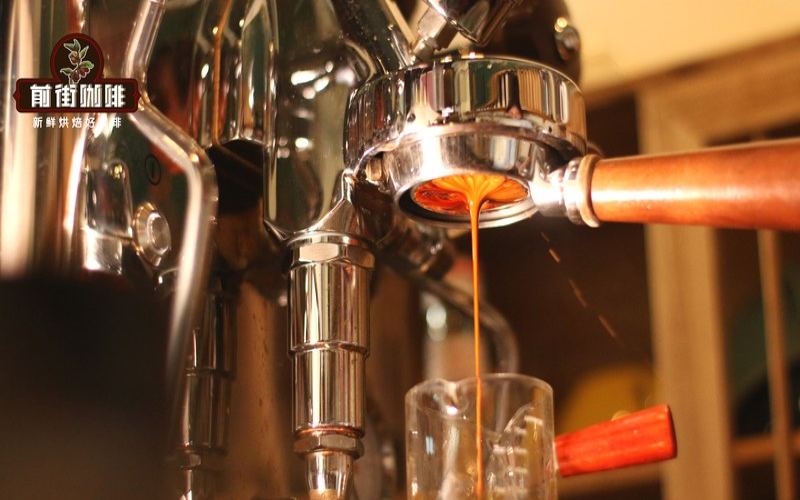
Coffee brewed with a moka pot is usually more concentrated than pour-over, yet it doesn't have the thick crema of an espresso machine. Once milk is added, the roast level of the beans directly shapes the flavor direction of the whole cup: a light roast highlights aroma, a medium roast comes across as sweeter and smoother, while a dark roast delivers cocoa, nuts, and a stronger presence. When choosing beans, you can first base your decision on [more…]

Moka Pot Americano: How to Choose Between Light, Medium, and Dark Roasts
Coffee brewed with a moka pot is quite concentrated, and even after diluting it with hot water, it still retains a distinct aroma and flavor. The roast level of the beans determines whether this americano leans bright, sweet, or full-bodied. When choosing, you can first check the package for light, medium, or dark roast, then factor in the level of acidity you can tolerate, the texture you prefer, and [more…]
Want a cocoa-flavored cup from your moka pot? Choose beans by roast level like this
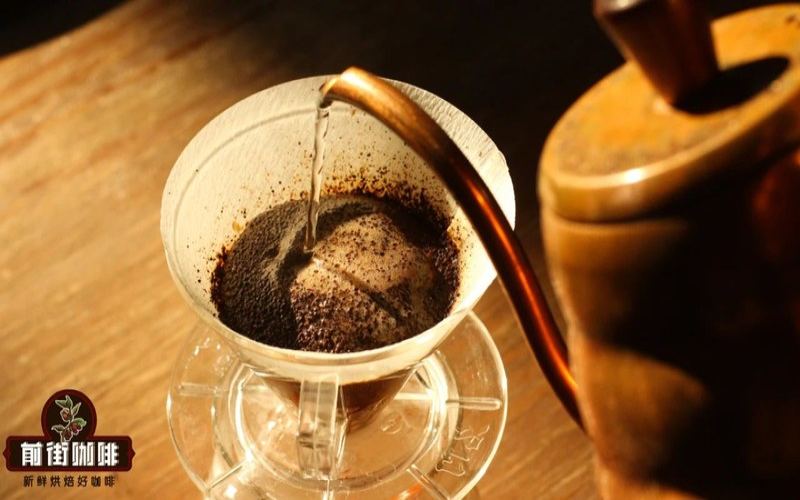
If you want to brew a cocoa-like cup with a moka pot, when choosing beans you can first look at the roast level, then at the flavor description. Light roasts often put fruit acidity, floral notes, and a clean sweetness up front, and the moka pot's high temperature and concentrated extraction can make the acidity stand out; medium to medium-dark roasts are more likely to show cocoa, nuts, caramel, and a fuller mouthfeel, which pairs well with this small [more…]
Moka Pot Bean Selection Guide: How to Choose from Light to Dark Roast
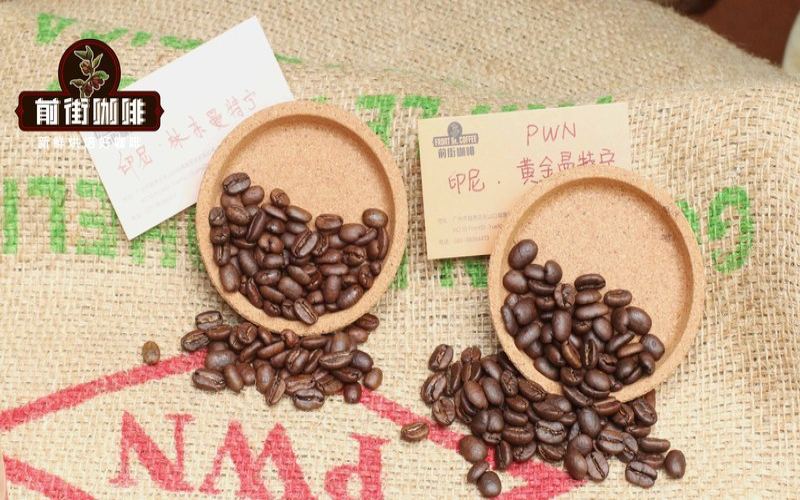
Coffee brewed in a moka pot is strong and intensely aromatic—perfect for sipping slowly from a small cup, or for adding water or milk. For those just starting out, roast level is an easier guide than region names: light roasts lean bright, medium roasts are balanced and sweet, medium-dark roasts have more body, and dark roasts bring pronounced cocoa and roasted notes. [more…]

The roast level in a moka pot determines where this bean is headed
Coffee brewed with a moka pot is usually stronger than pour-over, with more concentrated aroma and mouthfeel, so the roast level directly affects how it tastes. Light-roasted beans may show bright fruit acidity, medium-roasted beans are more likely to deliver sweetness and a rounded body, while medium-dark to dark roasts push cocoa, nut, and roasted notes to the forefront. When choosing beans, you can [more…]

Fancy ways to make a latte with a moka pot: Should the milk go in the upper chamber or the lower chamber? Testing two unconventional extraction methods
The Moka pot, thanks to its pressurized extraction, can produce a fairly strong black coffee, and when combined with milk it becomes a simple version of a latte. The conventional method is to brew the coffee first and then add milk, but some people have proposed two unconventional approaches: one is to pour milk into the upper chamber and let the coffee liquid flow directly into the milk; the other is to use milk instead of water in the lower chamber and directly brew the coffee grounds with milk. Can these two methods actually produce a good-tasting Moka pot latte? Front Street decided to test them personally. This article first discusses how to choose coffee beans suitable for pairing with milk, then separately records the parameters, steps, and resulting flavors of the two "unorthodox" methods, for the reference of coffee enthusiasts. [more…]
Light Roast vs. Dark Roast in a Moka Pot: Here's the Difference
With the same Bialetti moka pot, swapping in beans of different roast levels will change the acidity, sweetness, body, and aroma in your cup. Light-roasted beans are more likely to bring out fruity acidity and bright aromas, medium-roasted beans strike a better balance between sweetness and body, while dark-roasted beans lean more toward cocoa, nutty, and roasted notes. First look at the roast level, then decide your [more…]
How to Choose Coffee Beans for a Moka Pot: A Flavor Guide to Light, Medium, and Dark Roasts
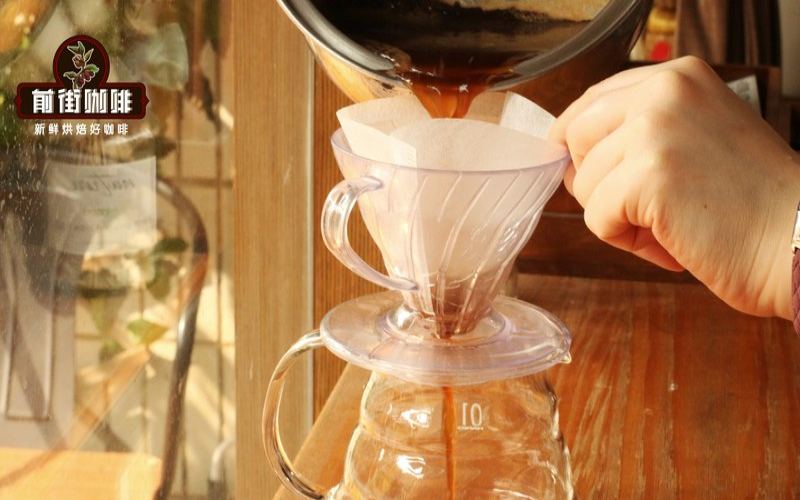
Coffee brewed in a moka pot is usually more concentrated than pour-over, with more pronounced aroma depth and a heavier mouthfeel. With the same pot, switching to beans of different roast levels will change the acidity, sweetness, bitterness, aroma, and aftertaste in the cup. To choose one that suits you well, you can start with the three flavor paths of light, medium, and dark roast, and then look at your own [more…]

For a fuller foam in your moka pot, pair the roast level like this
The coffee liquid brewed from a Bialetti moka pot has light-colored foam on the surface and a noticeably oily, smooth mouthfeel when sipped. The key lies not only in the pot itself—the roast level of the coffee beans matters just as much. Light, medium, and dark roasts differ in moisture content, internal structure, and the rate at which soluble compounds are released. Put them in the same pot, and the foam condition and aroma intensity [more…]

How to Choose Everyday Beans for a Moka Pot: Roast Level Determines the Cup
Coffee brewed in a moka pot is usually more concentrated than filter coffee, with a noticeable weight on the palate. As the roast level of the beans changes, the acidity, sweetness, aroma, and finish in the cup shift accordingly. If you're looking for a daily-drinker staple bean, start by checking the roast direction on the packaging, then decide whether you more often drink your coffee black or [more…]

Moka pot beginners should look at roast level first for clearer bean selection
Coffee brewed with a moka pot is strong and concentrated in aroma, and the roast level of the beans directly affects how it tastes. For beginners, it is usually easier to make a good choice by first checking whether the package says light, medium, or dark roast, and then considering whether you want black coffee or coffee with milk, rather than just focusing on the name of the origin. Different roast levels [more…]